You’ve picked your destination, circled your travel dates, and started dreaming about that tented suite overlooking a waterhole. Then comes the question that trips up almost every first-time safari planner: how far ahead should you actually book a safari lodge? Wait too long and the best rooms vanish; book too early and you worry you’ve overpaid. It’s a genuine dilemma, especially when top lodges during peak season are often fully booked 9-12 months ahead.
The good news is that timing isn’t a mystery once you understand how safari lodges fill their rooms. In this guide, we’ll walk through why timing matters, the booking windows for peak season trips like the Great Migration river crossings, and how shoulder and green season strategies can save you money. We’ll also look at when last-minute deals genuinely work, which lodge types suit different booking windows, and the practical steps to lock in the best rate and the right room for your trip.
Why Timing Matters When You Book a Safari Lodge
The simplest reason timing matters is arithmetic: the most sought-after lodges in Africa are small. Many of the best camps have just 6 to 12 suites, which means a single lodge might have fewer rooms than a mid-sized city hotel sells in one corridor. When peak season demand hits, that tiny inventory disappears fast, and top lodges are often fully booked 9 to 12 months ahead for the dry season.
Scarcity also drives price. Safari lodge rates climb sharply as availability shrinks, and peak-season nights at top-end lodges can reach $1,500 or more per person. The same suite might cost a fraction of that in green season, but during the dry months, lodges have no incentive to discount. Book late and you pay the top of the range, if there is anything left to book at all.
What early booking actually gets you
Booking early is not just about securing a bed. Travelers who reserve 6 or more months out typically have their pick of room categories, so you can choose the family suite or the corner tent facing the waterhole instead of settling for whatever remains. Early bookers are also more likely to arrange a private vehicle and benefit from better guide assignments, since the most experienced guides are allocated first.
In short, timing shapes every part of the experience: where you stay, what you pay, and how good your days in the bush turn out to be.
Booking Windows for Peak Season Safaris
If your heart is set on a dry season safari between June and October, treat your lodge booking like a scarce resource, because that is exactly what it is. The sweet spot for reserving peak season space is 9 to 12 months before travel. At that point, most top lodges still have a full spread of dates open, and you can choose the week that suits you rather than accepting whatever is left.
Migration Camps Move First
Camps positioned along the Great Migration river-crossing routes in the Masai Mara and northern Serengeti operate on an even tighter clock. With crossings happening roughly July to September, these properties often sell out a year or more in advance. If a front-row seat to wildebeest herds braving the Mara River is your goal, book as soon as dates are released, and have a backup camp or reserve in mind.
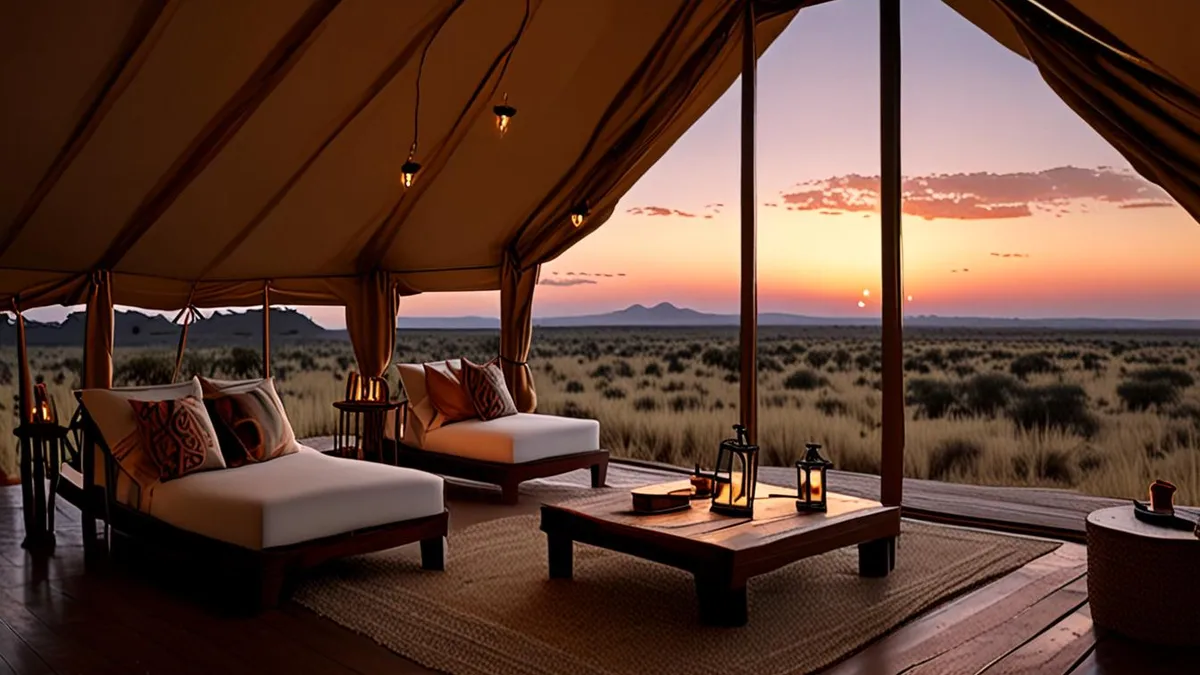
One way to secure space in high-demand areas is to look at camps with generous, well-appointed tents that still release inventory early. A property like Mahali Mzuri in Kenya, with its spacious safari tented suites, is the kind of place where waiting rarely pays off for peak season dates.
Finally, remember that a 6+ month lead time is usually enough to lock in more than just a bed. Booking at least six months out typically secures higher room categories, such as suites with better views or private plunge pools, and improves your chances of getting a private guide or vehicle. Travelers who book closer to their dates often find the top categories already spoken for, even when standard rooms remain.
Shoulder and Green Season Booking Strategies
Shoulder season is the sweet spot for travelers who want good game viewing without peak-season pressure. Because demand drops after the dry-season rush, you typically only need 4-6 months of lead time to find solid availability at well-regarded lodges. That said, the most sought-after suites still go first, so booking at the front end of that window gives you the best pick of rooms.
Why green season rewards flexible travelers
Green season, running from November to March plus the April-May rains, is when safari lodges drop their rates by 20-40% compared to peak. Nightly prices can fall toward the lower end of the overall safari range, which means a lodge that feels out of reach in July might fit your budget in February. Some properties, such as the Ngorongoro Crater Lodge with its safari suites in Tanzania, reward off-season visitors with dramatic crater views and far fewer vehicles at sightings.
The trade-offs are real, though. The bush grows thick after the rains, so animals have more places to hide and game drives can take more patience. Short afternoon showers occasionally cut drives short or muddy the tracks. On the plus side, you get lush green landscapes, newborn animals, dramatic skies for photography, and camps that feel noticeably quieter. If your priority is atmosphere and value rather than maximum wildlife density, green season is hard to beat.
One practical tip: ask the lodge how the rains typically affect its specific area. Rainfall patterns vary widely across Africa, and some regions stay surprisingly accessible while others become genuinely difficult to reach. A quick email before you book can save you a soggy surprise.
Last-Minute Safari Lodge Deals: When They Work
Spontaneous safari trips can work, but only under the right conditions. Genuine last-minute discounts appear mainly in green season, when lodges wake up to empty suites and would rather sell a night at a reduced rate than leave it dark. During peak dry-season months, that pressure simply does not exist.
The math of small camps explains why. A lodge with six to twelve suites has almost no spare inventory to discount, so peak-season bargains at intimate camps are rare. If a family of four holds two suites, the camp is already near capacity. Waiting for a deal at a small, famous camp in August usually means waiting for nothing.
That said, flexible travelers can still find value. Camps and lodges in lesser-known reserves often have more room to maneuver than the headline names, and a stay at a beautiful property like Saruni Samburu’s eco safari villas in northern Kenya shows how rewarding the less obvious corners of a safari country can be.
- Travel midweek when you can. Some lodges soften rates or minimum-stay rules on nights that sit between weekend arrivals.
- Ask about single-supplement waivers. Solo travelers sometimes get this surcharge dropped on late availability.
- Work with a safari specialist. Operators often hear about cancelled suites before they reach public booking sites.
- Consider shorter stays at top camps. A two-night gap in a premium lodge’s calendar can be cheaper than a four-night stay elsewhere.
Choosing the Right Lodge Type for Your Booking Window
Not all safari lodges fill up at the same speed, and the style of property you choose has a big impact on how far ahead you need to book. The scarcest inventory takes the longest lead time, while bigger properties offer more flexibility for late planners.
Small luxury camps and private villas
Luxury tented suites and private villas sit at the top of the demand curve. Many of these properties have fewer than a dozen units in total, so a single extended family can fill a meaningful share of the camp. If you have your heart set on a specific high-end tented suite or a private villa for peak season, expect to commit 9-12 months ahead, sometimes more for the most sought-after names.
Larger lodges and seasonal fit
Lodges with 20 or more rooms release space differently. With far more inventory to sell, they typically still have availability closer to travel dates, which makes them a sensible match for shorter booking windows of a few months. The trade-off is a less intimate experience, but game viewing quality is often just as good.
Season also matters when matching style to timing. Classic tented camps shine in the dry months, when animals gather at water sources and the open landscapes make wildlife easy to spot. Forest lodges and properties near crater rims are less dependent on seasonal game movements, so they work well year-round and give you more freedom in when you book.
How to Lock In the Best Rate and Room
The difference between a good safari deal and an expensive one usually comes down to a few decisions made before you pay a deposit. Rates vary enormously depending on when you travel and how you book, so a little preparation goes a long way. Work through these steps in order and you will rarely overpay.
- Compare rates across seasons before fixing your dates. Pull nightly prices for the same lodge in peak, shoulder and green season before you commit to anything. Shifting your trip by a few weeks can move you into a lower rate band, and green season rates can run 20-40% below peak. On a multi-night stay, that difference often covers an extra night or two, which means more time in the bush for the same budget.
- Ask about long-stay offers. Many lodges discount the third and fourth night of a stay, because a longer booking is more valuable to them than a quick two-night visit. This is rarely advertised, so it only appears if you ask directly or through your agent. It costs you nothing to ask, and the answer can meaningfully change your per-night cost.
- Confirm exactly what is included. Some rates cover game drives, meals and park access, while others charge for drinks, transfers or conservation contributions separately. Two quotes that look similar on paper can differ by well over a hundred dollars a night once the extras are added. Get the full picture in writing before you pay any deposit, so the final bill holds no surprises.
One short email or phone call covering these three points can save you hundreds of dollars per night and protect you from hidden costs. Treat the booking conversation itself as part of the safari planning, not an afterthought. The travelers who ask the most questions before depositing usually end up with the best rooms, the fairest rates and the fewest surprises at checkout.
Planning Your Safari Lodge Booking
The answer to how far ahead you should book depends entirely on when you want to travel. For peak season trips, especially the June to October dry season, plan on 9-12 months of lead time before the best suites vanish. Shoulder season travel is more forgiving, with 4-6 months usually enough to find good availability.
If your dates are flexible, the green season rewards you with rates 20-40% below peak, trading some rain for lush scenery and quieter camps. Whatever season you choose, booking early is what secures the suites, guides and rates you actually want. If this helped you plan your trip, leave a comment or share this article with a fellow traveler.