If you’ve ever searched for a glamping stay, you’ve probably seen prices that make no sense side by side: a tent in the desert for $150 a night, a safari suite for $1,200, and everything in between. That inconsistency makes it hard to know whether a rate is fair or inflated before you book. The truth is that glamping cost depends on a handful of clear factors, and once you understand them, comparing listings becomes much easier.
This guide breaks down what a night under canvas actually costs. We’ll walk through three average price tiers, show how the season can swing rates up or down, and compare costs by stay type, from simple yurts to safari suites with private pools. We’ll also explain what all-inclusive rates really cover, where in the world glamping is most and least expensive, and how to trim your total with smart timing. By the end, you’ll be able to judge any listing at a glance.
What Glamping Costs on Average: Three Price Tiers
Most glamping listings fall into one of three price tiers, and knowing which tier a property belongs to helps you judge whether its rate is fair. The tiers mostly track the level of comfort: what kind of structure you sleep in, whether the bathroom is private, and how much service comes with your stay. Two tents can look almost identical in photos yet sit a full tier apart, so the photos alone tell you very little.
At the bottom of the range, expect a real bed and solid shelter but few frills. The mid-range is where glamping starts to feel like a hotel, with en-suite bathrooms and proper meals. The top tier competes with five-star lodges, and the rates reflect that. Here is how the three tiers typically break down:
- Budget tier ($100-$200 per night): a furnished tent, dome or cabin with shared or basic facilities. Think composting toilets, a communal washhouse, and a campfire kit rather than room service.
- Mid-range tier ($200-$500 per night): private bathrooms, quality bedding and on-site dining. Many properties at this level also add small touches like wood-fired hot tubs or breakfast delivered to your deck.
- Luxury tier ($600-$1,500+ per night): safari-style tents with butler service, plunge pools and guided activities. Rates here often include experiences such as game drives or private dinners that would cost extra elsewhere.
Before booking, check which tier a listing actually sits in by looking at the bathroom situation and the meal plan. Those two details explain most of the price difference between otherwise similar-looking tents. If a site charges a mid-range rate but sends you to a shared washhouse, ask why. And if a luxury rate includes meals and activities, weigh that value against a cheaper room-only option before you commit.
How Season Changes Glamping Prices
The same tent at the same camp can cost dramatically different amounts depending on when you visit. High season rates typically run 30-50% above low season for the identical accommodation, with nothing changed but the calendar. That is the single biggest price swing in glamping, often bigger than the gap between stay types.
Camps raise rates when demand peaks: dry months on safari, summer holidays in the mountains, or festival weekends in the desert. Book those dates and you pay a premium for crowds as well as comfort. Many luxury camps also enforce minimum stays of 2-3 nights in high season, which pushes the total bill up further.
Why shoulder months are the sweet spot
Shoulder months, roughly late April-May and September-October in many regions, deliver near-peak conditions at noticeably lower rates. Days are usually still pleasant, landscapes are often at their most attractive, and the camp is quieter. For most travelers, this is where the best price-to-experience ratio sits.
What low season actually gets you
Low season can bring luxury camps down to a fraction of their peak rates, which sounds like a bargain. The trade-off is real, though: weather may be wetter, hotter or colder, and wildlife viewing can be weaker depending on the region. If your main goal is the setting and the tent rather than perfect conditions, low season offers excellent value. Just read the camp’s own notes on what each month is like before committing, and check whether some facilities or activities run on a reduced schedule.
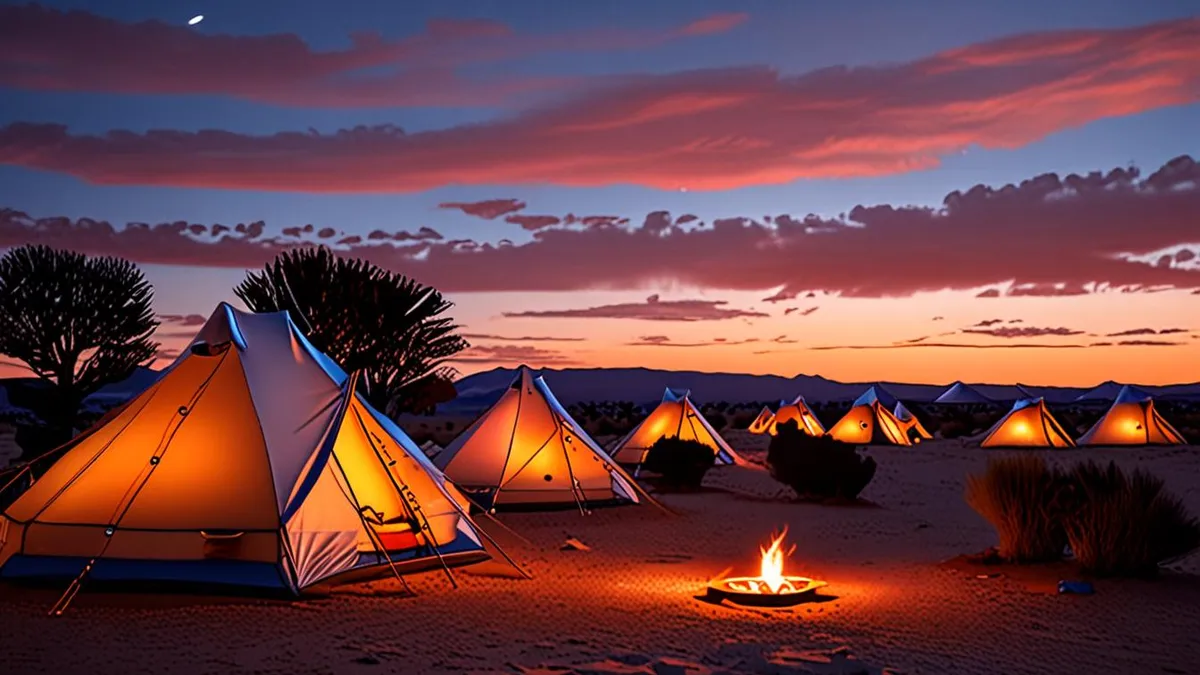
Glamping Cost by Stay Type: Tents, Domes, Cabins and Safari Suites
Not all glamping structures cost the same to run, and that shows up directly in nightly rates. A canvas tent on a wooden platform is far cheaper to build and maintain than a safari suite with a private pool, so the stay type you choose sets your baseline price before season or location even enter the equation. Heating, plumbing, staffing and the sheer footprint of the structure all add to what an operator has to charge just to break even.
As a rule of thumb, the more the structure resembles a hotel room, the closer you get to hotel prices. A yurt with a shared bathhouse sits at one end of the spectrum; a tented suite with air conditioning, a soaking tub and a butler sits at the other. For a sense of what the top end looks like, this stay at a luxury desert camp shows how far tented accommodation has come: Caravan by Habitas AlUla brings glamping villas to Saudi Arabia.
- Pop-up tents and yurts: usually set up on established campgrounds, so you get access to shared kitchens, fire pits and bathrooms nearby rather than facilities inside the tent itself.
- Geodesic domes and A-frame cabins ($200-$400 per night): solid structures with insulation, real doors and often en-suite bathrooms, plus extras like skylights for stargazing from bed or a small private deck.
- Safari suites and lodge-style tents ($600-$1,500+ per night): private decks and pools come standard, along with staff ratios closer to a boutique hotel and often guided activities built into the rate.
If you’re unsure where a listing falls, look at the photos of the bathroom and the deck. Those two features tell you more about the price tier than the word “luxury” in the title does. A composting toilet in a separate block signals one tier; a heated stone floor and rainfall shower signal quite another. Check whether the deck is shared or private, too, since that single detail often separates the middle of the market from the top.
What’s Included: All-Inclusive vs Room-Only Glamping Rates
Glamping rates come in two very different flavors, and the sticker price only tells half the story. All-inclusive safari camps bundle your meals, game drives, airport or airstrip transfers and often drinks into one nightly rate. If you priced each of those elements separately, the bundle is typically worth well over $150 per person per day, so the headline rate can look steep while the actual value is strong.
How room-only rates really add up
Room-only glamping sites work the opposite way. The nightly rate covers your tent and facilities, then meals, guided activities, equipment rentals and sometimes even firewood or transfers are charged separately. Expect to add a meaningful daily amount per person to cover these extras, and more if you plan to book several excursions during your stay.
The smart move is to compare total trip cost, not just the nightly rate. A cheaper room-only tent with paid meals and activities can easily end up costing more than a pricier all-inclusive camp where everything is covered. Before booking, ask the property exactly what the rate includes: dinners, drinks, laundry, park fees and transfers are the items most often left out.
A quick way to decide is to write out your expected daily spend for both models, line by line. Include breakfast, lunch, dinner, one guided activity and a transfer, then compare the totals against each camp’s nightly rate. The better deal usually becomes obvious once everything is on paper, and it is not always the camp with the lowest advertised price.
Where Glamping Costs the Most and the Least
Geography moves glamping prices as much as season does. The same canvas tent can cost three times more in one country than in another, and the priciest destinations usually pair remote locations with high operating costs and included safaris or transfers. Labor, food and fuel all cost more to deliver miles from the nearest town, and operators pass that on in the nightly rate.
East Africa sits at the top of the range. Safari glamping in Kenya and Tanzania runs $600-$1,500+ per night, with top-end camps including game drives, meals and light-aircraft transfers. If you want a sense of what the luxury end looks like, a stay at Mara Plains Camp in Kenya shows how boutique safari tents justify their rates. Australia follows, where outback and coastal camps typically fall between $400-$900 per night, driven by long supply lines and limited camp inventory.
Not every dreamy destination carries a dreamy price tag, though. Some regions deliver genuine luxury at mid-range rates, while others make a perfect low-cost first taste of sleeping under canvas.
- Omani desert camps are the value sleeper of the luxury world, with tented suites often from $200-$500 per night, and many include dune excursions and traditional meals in the rate.
- Domestic US and European sites start near $100 per night in the low season, making them the easiest entry point if you want to try glamping without a long-haul flight.
- Remote destinations often look expensive until you notice the rate already includes transfers, which can otherwise add a substantial separate cost to a trip.
When comparing destinations, check what each rate actually covers. A nightly price that includes meals, guided excursions and airport transfers can work out cheaper than a lower headline rate that charges for every activity separately.
How to Lower Your Glamping Cost
Glamping prices are flexible in a way that hotel rates often are not, and a few timing decisions can cut your bill significantly without downgrading the tent you sleep in. Small camps have limited inventory, so when and how you book matters as much as where you book.
- Book 3-6 months ahead. Early reservations lock in better rates and give you the widest choice of tents, which matters at small camps where there may only be a handful of units. Late bookers often get stuck with the least desirable pitch or the dates nobody wanted.
- Target shoulder-season dates. Late April-May and September-October often deliver near-peak conditions at noticeably lower rates than the same property charges in high season, when prices can run 30-50% higher for the identical tent.
- Work around minimum-stay rules. Luxury camps commonly require 2-3 nights in high season, so building a midweek stay can lower the nightly rate and reduce your total bill.
- Ask about length-of-stay perks. Some properties quietly offer a discounted night or an included activity for longer bookings, but you usually have to request it rather than expect it automatically.
These tactics stack nicely. A midweek, shoulder-season booking made a few months ahead is about as good as glamping rates get. For inspiration on what a premium stay looks like at the high end, see Longitude 131 in Australia and its Uluru view tents, then apply the same booking logic to whatever destination you choose.
The Bottom Line on Glamping Prices
So what is a fair price for a night of glamping? The honest answer is a wide one: glamping cost spans roughly $100 to $1,500+ per night depending on the stay type and the season. A basic furnished tent and a high-end tented suite with its own plunge pool are both “glamping,” which is why online listings look so inconsistent. Once you know the three tiers and where a property sits, the nightly rate becomes much easier to judge.
Keep two things in mind before you book. Season shifts rates by 30-50% at the same property, and an all-inclusive model changes the true total, since meals and activities are bundled into the rate. Booking 3-6 months early and choosing shoulder months delivers the best value. If you have stayed somewhere memorable or scored a great rate, share it in the comments below.