Choosing between South Africa’s Kruger and Tanzania’s Serengeti is one of the hardest decisions in safari planning. Both regions promise world-class game viewing, but they differ sharply in wildlife rhythms, seasons, lodge styles and total cost — and most travelers struggle to compare them honestly before committing thousands of dollars to a trip.
This Kruger vs Serengeti lodges guide breaks the decision into the questions that actually matter: how the two regions differ in size and access, what wildlife each delivers and when, which types of lodges and camps you can book, what a stay realistically costs, and how far ahead you should reserve. We finish with a straightforward verdict on which region suits which kind of traveler. By the end, you should know whether your dream safari looks like a self-drive bushveld road trip or a fly-in tented camp on the open plains.
Kruger vs Serengeti Lodges: How the Two Safari Regions Differ
At first glance the two regions look similar on a map, but the experience on the ground is very different. Kruger National Park spans about 19,485 sq km of bushveld in northeastern South Africa. Its boundaries are fenced, and a dense network of paved and gravel roads makes it one of the few great African parks where you can genuinely safari in your own rental car.
The Serengeti covers roughly 14,750 sq km of open plains and woodland in northern Tanzania, flowing seamlessly into Kenya’s Masai Mara. There are no fences holding the game in place, and the park’s defining event is the Great Migration, the continuous movement of vast herds of wildebeest and zebra across the ecosystem.
Getting there shapes the whole trip
Kruger suits road-trip style travel. It is drivable from Johannesburg in about 5-6 hours, which means you can combine it with Panorama Route stops, self-catering rest camps and flexible timing without ever boarding a small plane.
The Serengeti, by contrast, is mostly reached by light-aircraft flights from Arusha, hopping from airstrip to airstrip. That fly-in rhythm shapes everything: your itinerary, your luggage limits, and the style of camps you stay in. In short, Kruger rewards independent travelers who like the wheel in their own hands, while the Serengeti is built around packaged fly-in safaris with expert guides at the helm.
Wildlife and the Great Migration: What Each Region Delivers
Wildlife is where the two regions genuinely diverge, because their headline experiences run on different calendars. The Serengeti’s famous river crossings, when migration herds brave the Mara and Grumeti rivers, typically peak between July and October. Calving season in the southern plains runs January to February, when hundreds of thousands of wildebeest drop their young and predators follow close behind.
What Kruger delivers
Kruger offers reliable Big Five sightings year-round — lion, leopard, elephant, rhino and buffalo are all present in strong numbers. The dry window from May to September concentrates game at water sources and thins the bush, making sightings easier, but you can visit in any month and still expect excellent viewing. This consistency is Kruger’s great selling point: you are not gambling your trip on a migration timetable.
Spotting game in different landscapes
Terrain matters as much as timing. The Serengeti’s open plains make predators like cheetah far easier to spot, with long sightlines across short grass and dramatic hunts playing out in full view. Kruger’s denser bush rewards patient drives: sightings can appear suddenly at close range, and the thrill of finding a leopard draped in a marula tree feels earned. If you want sweeping predator action, lean Serengeti; if you enjoy the detective work of tracking in thick bush, Kruger delivers.
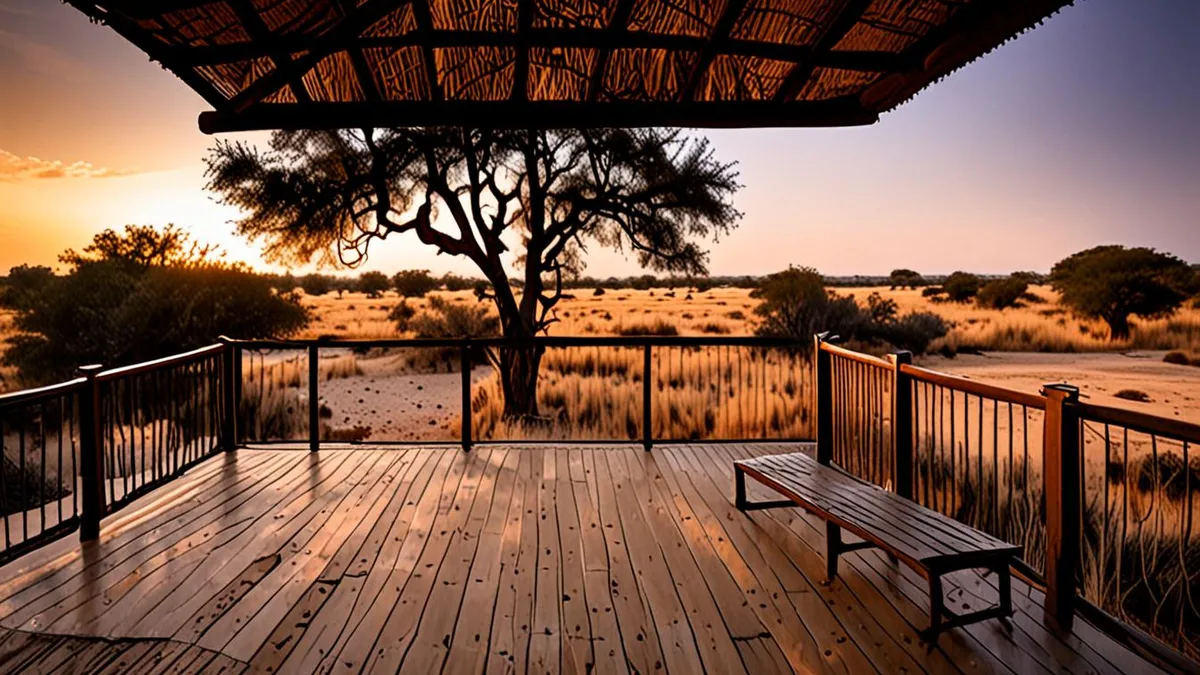
Best Time to Visit Each Region
Timing is the single biggest factor in both what you will see and what you will pay. For the Serengeti, aim for July to October if the river crossings are your priority, or January to February for calving season in the southern plains. Accept that these are the months when rates climb highest and the best-positioned camps fill first — you are paying a premium for the region’s most dramatic wildlife moments.
Kruger’s sweet spot
For Kruger, choose May to September. The cool, dry winter thins the vegetation and animals gather predictably at waterholes, so game viewing is at its best and malaria risk is generally lower. Because Kruger’s wildlife is resident rather than migratory, these months are about comfort and visibility rather than catching a one-off event.
Traveling in the shoulder months
Shoulder months like June and November can lower prices in both regions while still offering good game viewing. June sits at the edge of Kruger’s dry season and the build-up to the crossings; November catches the Serengeti as the herds move on and the rains soften the dust. If budget matters more than catching a specific spectacle, these months offer some of the best value in African safari travel. Check current rates with operators, as pricing shifts year to year.
Types of Lodges and Camps in Kruger and the Serengeti
Kruger and the Serengeti approach lodging in noticeably different ways, and this shapes the feel of your safari as much as the wildlife does.
In Kruger, the lodge scene splits into two clear categories. On one side are private concession lodges, often in exclusive-use areas within or alongside the park, where guides can drive off-road to follow leopards and lions and offer night drives. On the other side are the park’s own rest camps, which include self-catering cottages and bungalows where you can cook your own meals, braai on your veranda, and explore at your own pace in a rental car. This blend is rare among Africa’s big safari destinations.
The Serengeti, by contrast, is dominated by tented camps. Because the Great Migration moves across the plains, many camps are mobile and reposition two or three times a year to stay near the herds. Permanent luxury tented camps anchor the central Seronera area and the northern hills, with canvas walls, king beds, plunge pools and full service. If you want a sense of what the top end looks like, this review of Lemala Kuria Hills in Tanzania with luxury tented suites gives a good picture of the category.
Both regions host ultra-luxury brands, but the logistics differ. The Serengeti skews toward fly-in tented camps reached by light aircraft, while Kruger adds road-accessible lodges you can reach by car. A few other options worth knowing:
- Private villas and exclusive-use houses in Kruger suit families or groups who want a private pool, chef and guide without joining shared game drives.
- Mobile Serengeti camps use lightweight but comfortable canvas tents with en-suite bucket showers and flush toilets, moving with the herds rather than following a fixed calendar.
- Public rest camps in Kruger typically include a shop, restaurant or takeaway, and fenced perimeters, so you can stay inside the reserve without a private guide.
- Seasonal positioning matters in the Serengeti: the same camp brand may operate in the southern plains for calving and shift north toward the Mara River for the crossings, so confirm a specific camp’s location for your travel dates before booking.
What a Safari Lodge Stay Costs
What you’ll pay per night
Serengeti mid-range lodges typically run $400-800 per person per night, usually on a full-board basis with shared game drives included. Top luxury camps start from around $900 and can climb past $2,500 per person per night in the most exclusive concessions, especially during the river-crossing months. Those headline rates usually cover accommodation, meals, drinks and guided activities, but not park fees or flights.
Kruger’s private concession lodges typically cost $350-900 per person per night, with ultra-luxury properties at $1,000-2,000+. The per-night gap between the regions is not huge, but Kruger’s road access changes the total picture: you can drive yourself from Johannesburg or book a transfer, skipping the internal flight entirely.
Budgeting the whole trip, not just the lodge
The Serengeti’s fly-in model adds real money. Light-aircraft hops from Arusha to Serengeti airstrips are priced per seat and per leg, and most itineraries involve at least two flights. Kruger visitors can arrive by rental car, which also gives you the option of mixing a few self-drive days with lodge nights to stretch the budget. When comparing quotes, add park or concession fees, transfers, drinks and tips to both sides before deciding which region is actually cheaper.
How Far Ahead to Book
Good safari lodges are small by design, often with fewer than a dozen rooms, so the best properties in the best locations sell out long before the season starts. Booking early matters more in some months than others, and the two regions work on slightly different timelines. A camp with eight suites cannot simply add rooms when demand spikes, which is why the calendar matters as much as the budget.
- Lock in Serengeti migration-season camps 9-12 months ahead. Camps positioned near the river crossings in the north or the calving grounds in the south are the first to fill, because their location is the entire point of the booking. If crossing sightings are your priority, treat this as a hard deadline rather than a suggestion.
- Book Kruger peak winter lodges 6-9 months out. The May to September dry season is the most popular window, and school-holiday weeks inside it fill fastest. Private concession lodges with limited suites are the ones most likely to be gone if you wait.
- Check cancellation and deposit terms before committing. A year-long lead time means plans can change, so confirm how much is refundable and by when. Some camps offer softer terms in quieter months as an incentive to commit early.
- Use waitlists for sold-out properties. If a specific camp, such as a safari-suite lodge near the Ngorongoro Crater in Tanzania, is full for your dates, ask agents to add you to waitlists, since cancellations do happen as trips are reshuffled.
If your dates are flexible, the months just outside peak season are where genuine last-minute value appears. Lodges in both regions would rather discount an empty room than run at zero occupancy, so agents sometimes pick up late availability at reduced rates. Don’t count on that strategy for the migration river crossings or Kruger’s June to August peak, though, when demand reliably outstrips supply and walk-in rates, if available at all, are rarely a bargain.
Which Safari Region Should You Choose?
So which region deserves your safari budget? Choose the Serengeti if the Great Migration, vast open plains and fly-in tented camps top your wish list. Choose Kruger if you value easy access from Johannesburg, the flexibility of self-drive exploring and strong Big Five viewing at a lower total cost.
Both regions deliver world-class lodges, so the real deciding factors are your season, your budget and how you want to travel. If you have dreamed of river crossings on endless plains, the Serengeti is calling. If you want a road trip through classic bushveld with reliable wildlife, Kruger fits the bill. Wherever you land, you are choosing between two of Africa’s finest safari experiences. If this comparison helped you plan, leave a comment or share the article with a fellow traveler.