Choosing between a beach resort vs mountain lodge is one of the most common trip-planning dilemmas, and for good reason: both promise a memorable escape, but they deliver completely different experiences. Sun-and-sea travelers picture warm water, water sports and meals steps from the sand, while those dreaming of a cool retreat imagine fireplaces, mountain views and guided hikes. The catch is that each stay type only works well when it matches your season, budget and how much travel time you can tolerate.
This guide breaks down the core differences between the two, shows when a beach resort is the smarter pick, and explains when a mountain lodge genuinely wins. We also compare what each stay type really costs, how far in advance you should book, and which stay suits different travel styles, from families to honeymooners. By the end, you should be able to match your next trip to the right setting rather than to whatever happens to be trending.
Beach Resort vs Mountain Lodge: The Core Differences
The two stay types are built around completely different daily rhythms. A beach resort organizes everything around the water: direct access for swimming and snorkelling, sun decks with loungers, shaded cabanas and open-air restaurants where dinner often happens with your feet nearly in the sand. A mountain lodge, by contrast, is built around the landscape itself. Days revolve around scenery from the terrace, evenings by a fireplace, and guided outdoor excursions such as hikes, wildlife walks or stargazing sessions arranged by the lodge team.
Climate is the biggest divider
Temperature differences shape what your trip will actually feel like. Coastlines stay warm and humid in their main seasons, which is ideal for water activities but can feel heavy in the middle of the day. Mountain areas typically run 5-15°C cooler than nearby coastlines at the same time of year, so you may pack a fleece and long trousers for a lodge stay even when the beach a few hours away is sweltering. Check the elevation of any lodge before you book, as higher altitudes mean cooler evenings and colder nights year-round.
Getting there: a very different journey
Access is the other major difference. Beach resorts are typically 30-60 minutes from an international airport, which means you can land at midday and be in the pool by late afternoon. Remote lodges are a different story: reaching them can require 3-6 hours of road transfers or a light aircraft flight, often on fixed schedules. That longer journey is part of the trade-off for privacy and dramatic scenery, but it needs to be planned rather than improvised.
When a Beach Resort Is the Better Choice
If your trip is built around swimming, snorkelling and water sports, a beach resort is the obvious pick. In Red Sea, Gulf and Indian Ocean destinations, conditions for these activities are generally at their best from November to April, when seas are calm and visibility is strong. Resorts in these regions typically put dive centers, snorkel gear and non-motorized water sports within a short walk of your room, so you can fit in a session before breakfast without any logistics.
Beach resorts also work best for shorter trips of 3-5 nights. Because transfers from the airport are quick and there is no acclimatisation needed at sea level, you lose almost no time on arrival or departure days. That efficiency matters when you only have a long weekend or a week of leave to spend.
Families and all-inclusive travelers get particular value here. Everything sits on one property: kids’ clubs, shallow swimming areas, several restaurants and evening entertainment, so nobody has to organize daily outings. Wellness seekers have an extra option worth knowing about: low-altitude destinations such as Dead Sea resorts, which sit around 400 meters below sea level and are known for mineral-rich water and mud treatments. For a closer look at what a stay there involves, see our review of Movenpick Dead Sea Jordan with resort rooms.
- Water sports on demand: many Red Sea and Indian Ocean resorts include kayaks, paddleboards and snorkel gear at no extra charge, so you can try several activities in one stay without booking tours.
- Shallow entry for children: family-focused resorts often have graded beach entries and separate kids’ pools, which makes swimming with small children far easier than on open coastline.
- All-inclusive budgeting: packages that bundle meals and drinks let you know most of your costs before you arrive, which is helpful on shorter 3-5 night trips where you want to relax rather than track spending.
- Low-altitude wellness: at around 400 meters below sea level, Dead Sea resorts offer a wellness setting that no mountain lodge can replicate, with floating in mineral water as the signature experience.
When a Mountain Lodge Wins
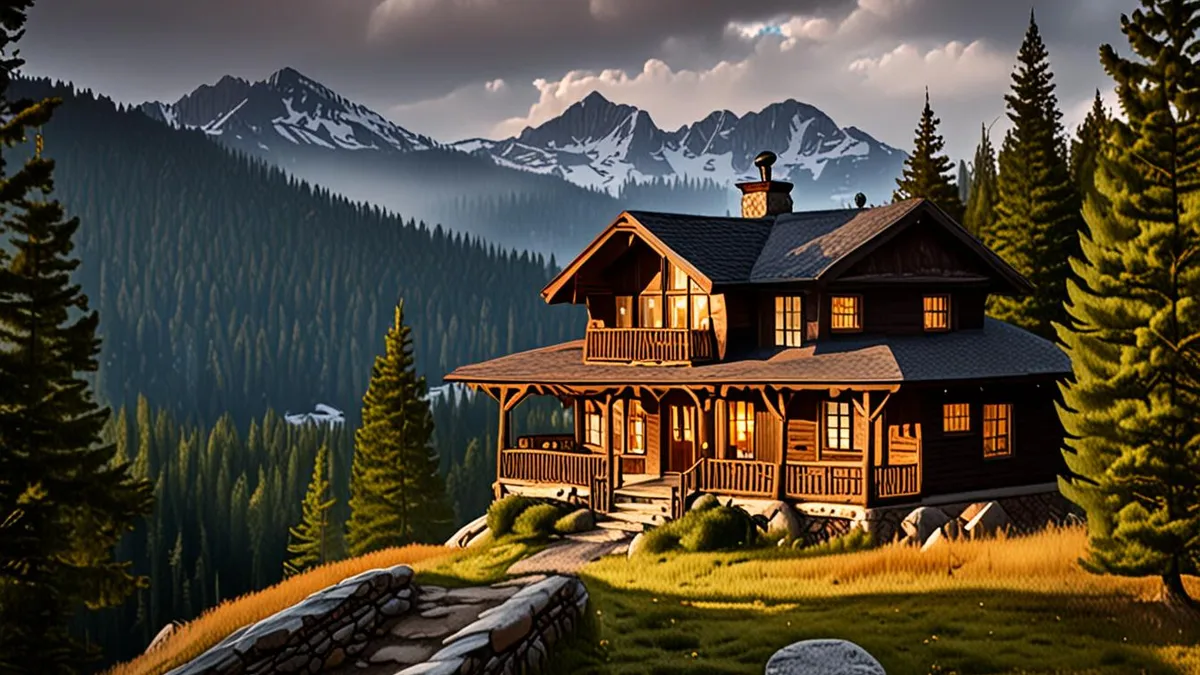
When the goal is hiking, stargazing and wildlife, a mountain lodge delivers what no beach property can. Peak seasons follow the activity: June to September is prime time for trekking, when trails are dry and passes are open, while December to March brings snow-based stays, from snowshoe walks to evenings beside a roaring fire. Lodges typically employ local guides who lead daily excursions, which means even first-time hikers can join full-day treks safely and learn about the landscape as they go.
Plan on longer stays of 5-7 nights. The journey itself is longer, often involving several hours of driving or a light aircraft leg, and the pace at a lodge is deliberately slower: one activity in the morning, a long lunch, and a quiet evening. Cramming that into two nights rarely feels worth the effort of getting there.
Mountain lodges especially suit couples and travelers who prize privacy, cool air and dramatic landscapes over beach amenities. Room counts are small, terraces face onto valleys rather than neighboring sun loungers, and evenings end early and quietly. A specific sub-category worth considering is the high-altitude desert lodge: Morocco’s Atlas range combines mountain scenery with milder winter days, so you can hike in sunshine even in the cooler months. For a close look at one such property, this Kasbah Tamadot Morocco with Atlas Mountain suites review covers the suites, grounds and setting in detail.
- Guided trekking programs: lodges in trekking regions often offer graded walks, from gentle valley circuits to full-day summit routes, led by guides who know trail conditions and weather patterns.
- Dark-sky stargazing: with little or no light pollution, mountain locations give some of the clearest night skies you will find, and many lodges provide telescopes or guided astronomy evenings.
- Wildlife encounters: remote lodges sit inside or beside natural habitats, so guided walks may turn up birds, mountain wildlife and plant life that day-trippers never see.
- Winter sun with altitude: in Morocco’s Atlas range, high-altitude desert lodges pair mountain views with milder winter daytime temperatures, making December to March a realistic season for outdoor time rather than a write-off.
Cost Comparison: What Each Stay Type Really Runs
Price is where beach resorts and mountain lodges really part ways. A night at a beach resort commonly runs from $150 to $600, and if you book an all-inclusive package, your per-meal costs drop noticeably since food, drinks and often snacks are bundled into the rate. That predictability makes budgeting simple: you pay once and know roughly what the week will cost.
Why mountain lodges cost more per night
Remote mountain lodges often run $300 to $1,200 per night. The higher rate is not just scenery markup. These properties usually have a small number of rooms, which means fixed costs are spread across fewer guests, and many lodges include guided hikes, wildlife excursions or other activities in the price. When you compare quotes, check what is actually included, because a lodge rate with two guided excursions per day can be better value than it first appears.
Transfers are the hidden line item most travelers forget. Getting to a remote lodge, whether by a long road journey or a light aircraft seat, can add $100-400 per person each way. For a couple doing a round trip, that can mean several hundred dollars on top of your room rate. Beach resorts, which are usually a quick drive from the airport, rarely carry this kind of transfer cost.
One easy saving on the beach side: shoulder-season stays in May-June or October can cut rates 20-40% versus peak months. If your dates are flexible, that discount often outweighs slightly warmer or busier conditions.
Booking Lead Times and Trip Planning for Each Stay Type
Both stay types reward early planning, but they reward it differently. Beach resorts have more inventory, more flexible cancellation policies and a wider range of room categories, while remote lodges are small, seasonal and tightly tied to transfer schedules. That difference shapes how you should approach each booking. Working through the steps in the right order saves you from having to rebook, lose a deposit or settle for a room type you never wanted in the first place.
- Reserve beach resorts 2-4 months ahead for high-season dates. The November to April window in popular coastal regions fills up first at the better-located properties, so booking inside that lead time gives you room choice rather than whatever is left.
- Book remote mountain lodges 4-6 months in advance. Small properties with roughly 10-30 rooms sell out first, especially in peak trekking and snow windows, and a late booking often means compromising on room category or dates.
- For lodges, sort out transfers and light aircraft schedules before confirming the room. Access is schedule-dependent: if the flight or road transfer does not line up with your dates, the perfect room is useless. Lock the logistics first, then the booking.
- For beach resorts, confirm the airport transfer time and the property’s exact position. Ask whether the resort is genuinely beachfront or a shuttle ride from the sand, since that detail changes both your arrival day and your daily routine.
It also pays to read the cancellation terms closely before paying any deposit. Lodge deposits are often larger and less refundable than resort bookings, partly because small operators have fewer rooms to resell if you cancel. If your trip depends on a connecting flight or a fixed work schedule, ask about flexible-rate options even if they cost a little more per night.
A final practical note: keep all confirmations for transfers and flights in one place, and recheck schedules a week before departure. Small operators in remote areas do adjust timings, and knowing early gives you room to rearrange without derailing the whole trip.
Matching the Stay to Your Travel Style
The right stay depends less on the destination and more on who is traveling and why. Honeymooners often prefer lodges, where small room counts and quiet terraces deliver privacy that a busy resort pool deck rarely matches. Families, on the other hand, tend to thrive at beach resorts, where kids’ clubs, shallow water and on-site dining remove most of the daily logistics. Neither choice is wrong — the mistake is picking a property that fights your group’s natural rhythm instead of supporting it.
Activity-driven travelers should let the season make the decision. Diving and water sports line up with winter beach trips, while hiking lines up with summer mountain trips. Pick the activity first, then the destination that peaks when you can actually travel. That simple filter saves you from arriving at a gorgeous property at the wrong time of year.
- Honeymooners: look for lodges with standalone rooms or private decks, where the low room count means fewer neighbors and staff can tailor dinners and excursions to just the two of you.
- Families: prioritize beachfront properties with genuinely shallow entry water and supervised kids’ programs, so adults get real downtime instead of constant shadowing.
- Activity-driven travelers: match the season to the sport — diving and water sports for winter beach trips, hiking for summer mountain trips — and book the guide or dive package at the same time as the room.
- Split-trip travelers: in countries offering both coastlines and highlands, a rhythm of 3-4 beach nights followed by 2-3 lodge nights works well, giving you warm water first and cooler air and scenery to finish.
Whatever mix you choose, be honest about transfer tolerance before committing. A split trip sounds great on paper, but it only works if everyone in your group is happy with the extra road or flight time between the two halves. Ask yourselves how many hours of travel you’ll accept on arrival day, and let that answer shape the itinerary more than any brochure photo.
The Bottom Line: Beach or Mountain for Your Next Trip
If your trip is short, warm and family-focused, a beach resort is the easier fit. Quick airport transfers, no acclimatisation and everything on one property make it ideal for 3-5 night escapes, with nightly rates commonly running $150 to $600 during the November to April season. If you want longer days of hiking, stargazing and cool air, a mountain lodge delivers, but expect higher rates, a longer journey and booking 4-6 months ahead.
The honest answer is that neither stay type is better in general, only better for your specific dates, budget and tolerance for transfers. Choose based on your season and the journey you are realistically willing to make, not on whatever is trending on social media. If you have been torn between sun-and-sea and a cool mountain retreat, which way did you go? Share your pick in the comments or pass this article to a travel partner who is still deciding.